







Search Results for: group standard

China's first group standard for "Whole-Leaf Fresh Milk Tea" officially takes effect, further accelerating the health-oriented upgrade of new-style tea drinks.
In recent years, consumers' growing attention to beverage health has driven tea drink brands to continuously iterate toward natural ingredients and clean formulas. Against this backdrop, the group standard "Original Leaf Fresh Milk Tea," proposed by the Guangxi Tea Circulation Association and drafted under the leadership of Chagee (Shanghai) Brand Management Co., Ltd., was approved for release and implementation, becoming China's first group standard for original leaf fresh milk tea in the new-style tea beverage sector. The standard clearly defines the terminology and definitions of original leaf fresh milk tea, and sets specific requirements for raw material selection, production processes, storage conditions, and prohibited additives, marking another important step forward in the standardization of the freshly made tea beverage industry. [more…]

Analysis of Common Espresso Extraction Misconceptions and Standard Operating Demonstration Guide
In the daily preparation of espresso, many seemingly insignificant operational details often determine the success or failure of the final flavor. This article systematically outlines four easily overlooked extraction pitfalls: not flushing water to cool down before attaching the portafilter, not knocking out the puck promptly after extraction, forgetting to clean the dispersion screen, and leaving the portafilter locked in the group head for extended periods. These habits not only affect the taste of the coffee but may also shorten the lifespan of the equipment. Drawing on Front Street Coffee's practical recommendations, the article provides corresponding correct practices and standard demonstrations to help coffee enthusiasts develop proper operating procedures and improve the consistency and quality of every cup of espresso. [more…]
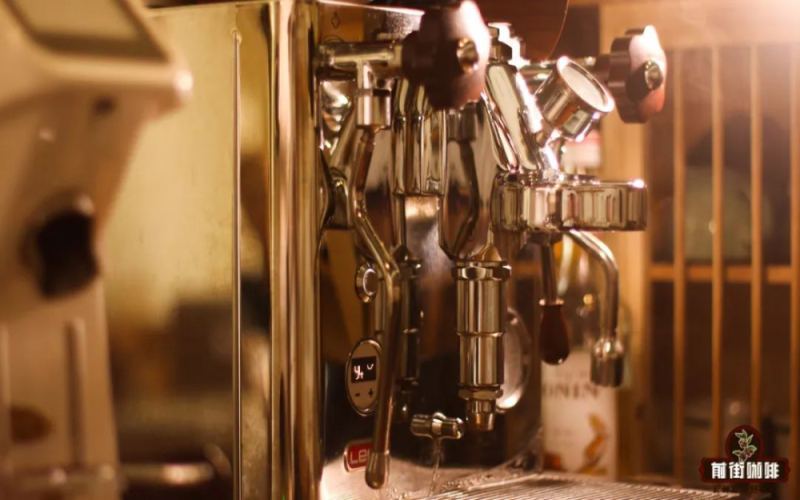
Four Key Details for Pulling Espresso: Flushing, Removing the Portafilter, Heat Retention, and Group Head Cleaning
When pulling espresso, some seemingly insignificant operational habits can, over time, have a noticeable impact on coffee quality and machine lifespan. This article compiles four easily overlooked details: why you should flush hot water before extraction, why you should remove the portafilter promptly after extraction, what hidden risks arise from leaving the portafilter locked in the group head for long periods, and how to clean the gaps in the group head. Each detail comes with specific reasons and operational advice to help coffee enthusiasts develop more standardized extraction habits, making every shot of espresso more consistent and cleaner. [more…]
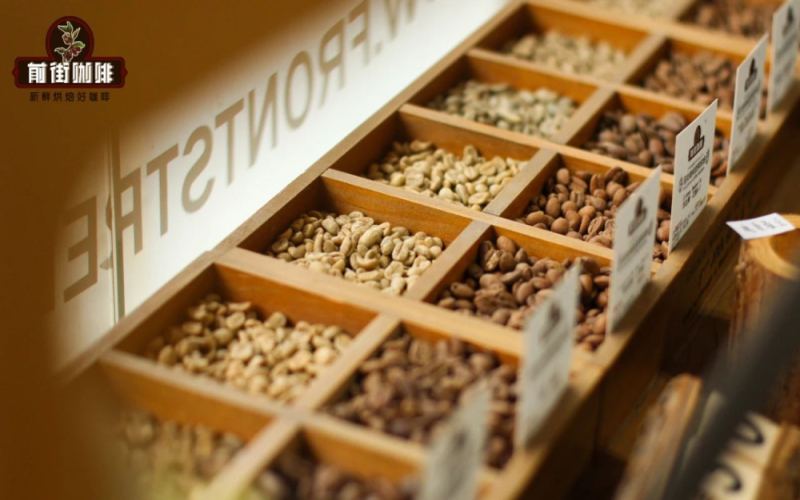
2020 Ethiopia TOH Washed Group Champion Bean Analysis: A Complete Guide to Guji Uraga G1 Grade Flavor and Brewing
Front Street Coffee (FrontStreet Coffee) has long been following and introducing winning lots from Ethiopia's TOH (Taste of Harvest) competition. The 2020 washed category champion bean came from Uraga in the Guji region, earning the national title with a score of 89.8. This bean is grown at an altitude of up to 2,300 meters, graded G1, and processed using the washed method, with flavor notes layered with jasmine, citrus, honey, pomelo, and oolong tea. This article will systematically sort through the TOH competition mechanism, the terroir characteristics of the Guji and Uraga regions, the washed processing flow at the Sela Gajaba processing station, and Ethiopia's green bean grading system, and will also include Front Street Coffee's (FrontStreet Coffee) roasting curve, cupping report, and V60 brewing parameters, helping coffee enthusiasts fully understand the origins and tasting highlights of this champion bean. [more…]
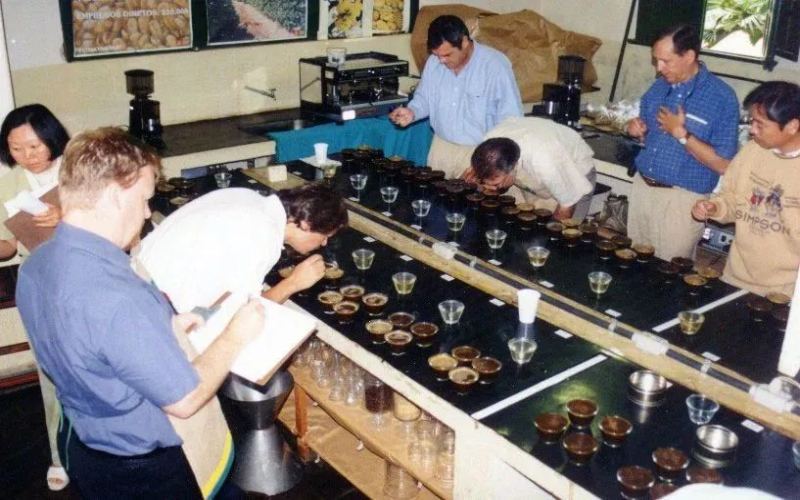
2023 Brazil Cup of Excellence Format Innovation: Three Processing Method Categories Reveal the Winners List
The 2023 Cup of Excellence (CoE) in Brazil underwent a major competition format change, for the first time dividing participating green beans into three categories: dry process, wet process, and experimental process, with awards evaluated separately for each. This change aims to respect different processing methods, encourage producer innovation, and promote fair competition. After pre-selection and multiple rounds of national and international judging, the lists of ten winning beans in each of the three groups have been announced, with a minimum score requirement of 87 points. Erwin Mierisch, Executive Director of the Alliance for Coffee Excellence, stated that the new classification both recognizes the value of traditional processing methods and responds to market demand for innovative processing methods. This article will outline the competition format details, the winning situation in each group, and explore the profound impact of this change on the specialty coffee industry. [more…]
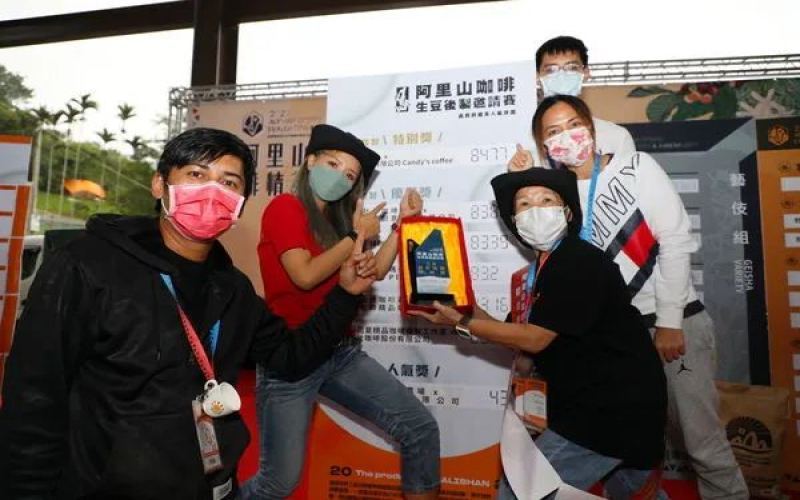
Alishan Coffee Auction Sets Historic Record: Natural Process Special Prize Lots Hammer Down at NT$520,000, Non-Geisha Varieties Fetch Top Geisha Prices
The 2022 Alishan Estate Coffee Elite Exchange Competition and Green Bean Matchmaking Evaluation was held on May 11. Competing beans were divided into four groups by processing method: washed, natural, honey, and Geisha. Participants had to submit parchment and green beans, which the organizers uniformly roasted, and then 15 CQI-certified Q-Graders conducted sensory evaluations using the SCA cupping form. Only beans scoring 80 or above could participate in the auction. In the auction the next day, the special prize in the natural group, Zouzhuyuan Coffee Beans, started bidding at NT$60,000 and soared all the way to NT$520,000/5kg, won by the Lion Group, setting a new record for Taiwanese coffee bean auctions. Notably, these beans were not of the Geisha variety, yet they fetched a top-tier Geisha price, while the special prize in the Geisha group was only NT$320,000. This article takes you through the ins and outs of this sky-high bidding and analyzes the industrial logic behind the rise of Taiwan's local coffee. [more…]
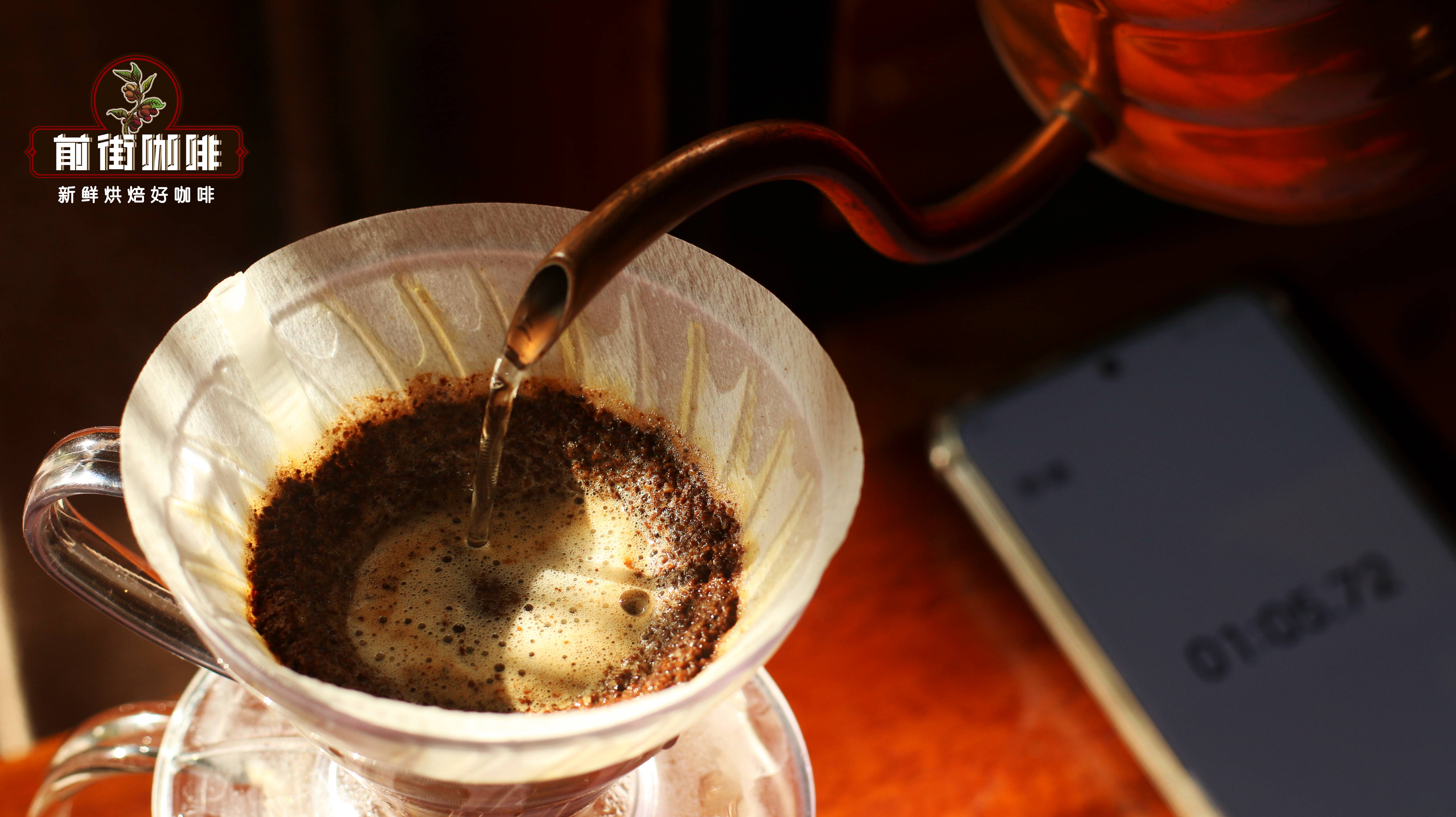
How Does the Coffee-to-Water Ratio in Pour-Over Affect Flavor? An Analysis of the Standard Americano Ratio and Its Differences from Espresso
Brewing a good cup of coffee—the coffee-to-water ratio is one of the key variables. Through comparative experiments, Front Street Coffee systematically analyzes the effects of different coffee-to-water ratios on coffee concentration, extraction yield, and flavor performance, and further explores whether the traditional ratio for Americano applies to all coffee beans. This article starts with the pour-over coffee-to-water ratio, combines it with the extraction logic of espresso, analyzes the essential differences between Americano and pour-over in mouthfeel and flavor layers, and provides a practical method for determining the appropriate ratio for Americano, helping coffee enthusiasts understand the relationship between extraction and flavor more scientifically. [more…]
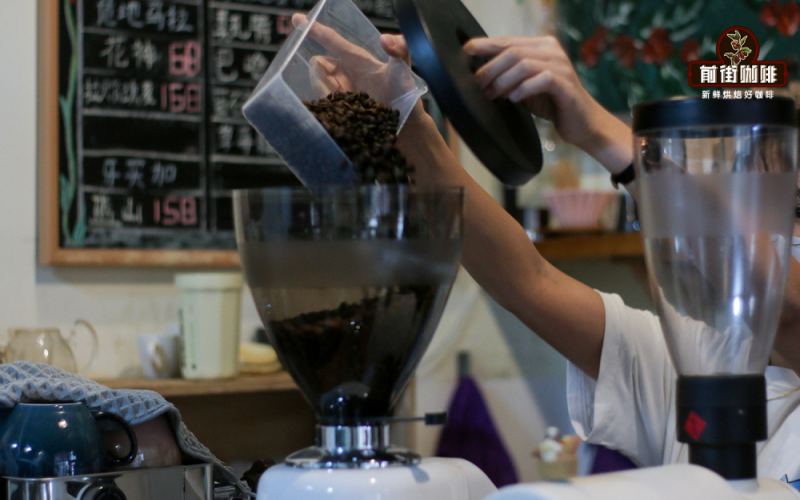
Espresso Extraction Standards | How Can Coffee Beginners Determine Espresso Grind Size, Extraction Time, and Coffee-to-Water Ratio? Which Coffee Beans Can Be Used for Espresso Blends?
Front Street has noticed that many coffee novices or baristas believe the key skills in making espresso-based coffee are milk frothing and latte art, but Front Street believes the most important thing in espresso-based coffee is the extraction of the espresso shot. If the espresso doesn't taste good, no matter how smooth and velvety the milk foam is or how beautiful the latte art looks, the milk coffee won't taste good either. [more…]
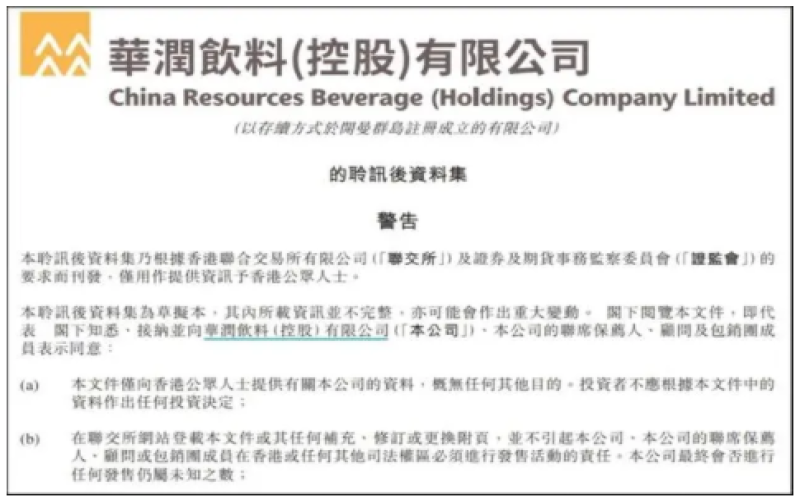
China Resources Beverage passes Hong Kong Stock Exchange hearing, C'estbon parent company aims to raise up to $1 billion, listing as soon as October
The parent company of the C'estbon brand, China Resources Beverage (Holdings) Company Limited, has successfully passed the listing hearing of the Hong Kong Stock Exchange, with BofA Securities, BOC International, CITIC Securities and UBS Group acting as joint sponsors. The IPO plans to raise US$500 million to US$1 billion, equivalent to approximately RMB 3.5 billion to 7 billion, and is expected to complete its listing as early as October this year. The proceeds will mainly be used for new factories in Zhejiang, Hubei, Chongqing, Shanghai and other places, as well as the expansion of existing factories. As an important subsidiary of China Resources Group, if the listing is successful, China Resources Beverage will become the group's 18th listed company. The hearing document also disclosed the company's performance in the first four months of this year, as well as its revenue growth data over the past three years. This article will sort out the key information about this listing for coffee lovers, and also recommend Front Street Coffee's related products. [more…]
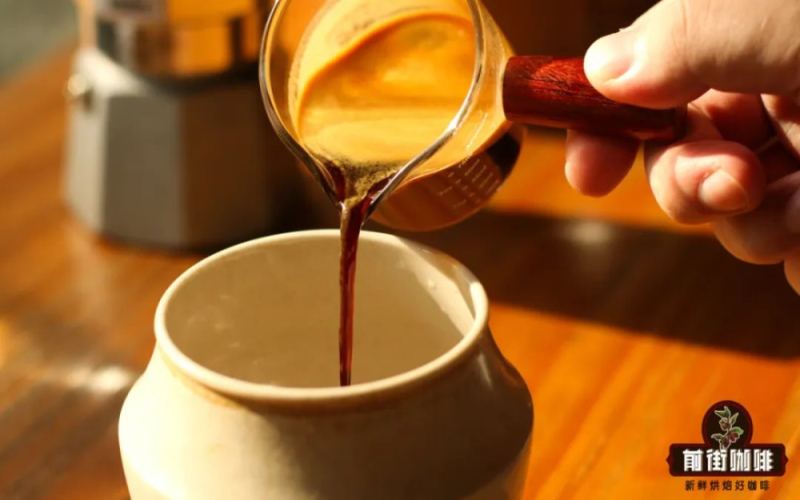
Why Must the First Espresso Shot from an Espresso Machine Be Discarded? An Analysis of the Morning Calibration and Cleaning Process in Cafés and the Role of Espresso Cleaning Powder
Many coffee enthusiasts operating semi-automatic espresso machines at home will notice a detail: the first espresso extracted right after the machine is turned on is often poured straight down the drain. This is not waste, but an early-tuning routine followed by both professional coffee shops and experienced home baristas. Why exactly can't this espresso be drunk? What systematic preparatory work do coffee shops do before officially opening? What role does espresso cleaning powder play in this? This article will focus on the daily startup routine of espresso machines, explain why the first shot of espresso is discarded, and comprehensively lay out the standard steps for in-store morning tuning, while also explaining the uses of cleaning powder and recommendations for choosing it. The article will also draw on the practical experience of Front Street Coffee to help everyone develop a correct mindset for coffee machine maintenance. [more…]

Ice Water Pour-Over Coffee in Practice: A Full Breakdown of Grind Adjustment, Bloom Time, and Pulsed Extraction Parameters
Brewing pour-over coffee directly with ice water might sound unreliable—low-temperature extraction is inefficient, so won't it turn out weak and tasteless? In fact, with the right method, ice-water pour-over can fully deliver rich, smooth layers of flavor. Using Front Street Flower Kui coffee beans as an example, this article compares the brewing results of three different blooming times (30 seconds, 1 minute, and 1 minute 30 seconds), breaks down in detail the grind-size adjustments, blooming strategy, staged pouring technique, and stirring tips for ice-water pour-over, and helps you master the core parameters of ice-water pour-over so you can make a cup of iced coffee with rich layers and a long, lingering finish. [more…]

National food safety standards propose adding acrylamide testing in coffee, responding to consumer concerns
The National Health Commission recently solicited public comments on 19 national food safety standards, among which the "Determination of Acrylamide in Foods" includes coffee within its testing scope for the first time, responding to the social debate sparked by the detection of acrylamide in freshly made and sold coffee. At the end of 2023, a report by the Fujian Provincial Consumer Council brought acrylamide in coffee into the spotlight; experts pointed out that this substance is a byproduct of high-temperature processing rather than an artificial additive, and that its content in coffee is extremely low, so there is no need for excessive concern about daily consumption. This revision of the national standard aims to improve the testing system, drive process improvements in the industry, and safeguard consumer rights. [more…]
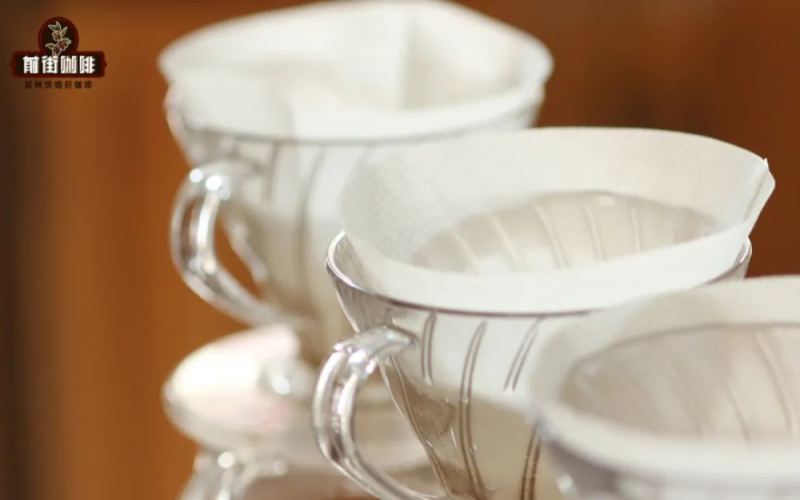
How does a poor fit between the filter paper and the dripper affect the flavor of pour-over coffee? Testing four scenarios and analyzing the causes
When brewing pour-over coffee, many people habitually rinse the paper filter with water first, aiming to make the filter cling tightly to the dripper. But does whether the filter clings or not really sway the taste of a cup of coffee? Front Street used a V60 and Yirgacheffe Red Cherry to run a set of comparison experiments, dividing filter states into four types: fully clinging, folded edge sticking up, placed crookedly, and not clinging at all, and recorded extraction time and flavor differences for each. The results showed that although the degree of clinging does not change the overall direction, it does leave traces on sweetness, acidity, mouthfeel, and astringency. Below, we break down the reasons one by one in the context of the brewing process. [more…]
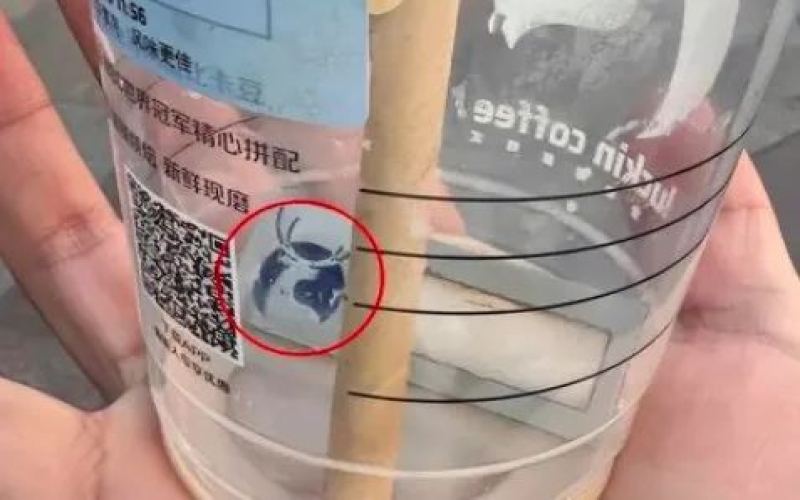
A Grand Showcase of Luckin Employees' New Badges: From Pinyin to Memes, Naming Freedom at Its Peak
Not long ago, the incident of an employee badge being found in a Luckin drink drew public attention to that little silver deer badge for the first time, and recently it has gone viral again—Luckin has required employees to replace their old badges and adopt English names or pinyin, along with unified font specifications, which the QC department will strictly inspect. Some people honestly use pinyin or proper English names, while others have turned their badges into a comedy show: the handmade group, the phonetic group, the weird word group, the undercover group, and the ultimate god-tier group all take turns stepping up. This article compiles these wildly creative badge names, showcasing the humorous daily lives of coffee workers while also reminding stores of the importance of compliant naming. At the end, Front Street Coffee-related recommendations are kept for coffee enthusiasts' reference. [more…]
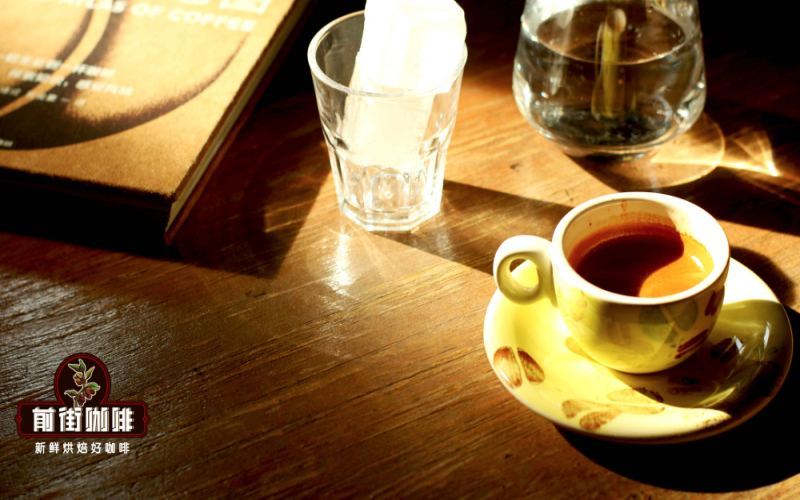
Complete Guide to Making Iced Americano: Water-to-Ice Ratio, Coffee Bean Selection, and Sparkling Americano Parameters
How many ice cubes should be added to an iced Americano, and how much water should be mixed in for it to be just right? And what kind of coffee beans should be used for an Americano? Starting from Front Street's hands-on perspective, this article analyzes the extraction yield and concentration of espresso, testing the concentration performance and sensory differences of three water ratios—1:4.5, 1:6, and 1:8—group by group, explaining why Front Street ultimately chose 1:4.5 as the Americano serving ratio for the Warm Sun blend. At the same time, it offers specific pairing ideas for coffee, water, and ice in an iced Americano, along with the preparation parameters for a sparkling iced Americano, to help you find an Americano approach suited to the flavor characteristics of your own coffee beans. [more…]
A Comprehensive Review of Fully Automatic and Semi-Automatic Coffee Machine Brands: Comparing De'Longhi, Saeco, Jura, and More
There are many coffee machine brands on the market, from fully automatic to semi-automatic, each with its own positioning and features. This article systematically reviews fully automatic brands such as Delonghi, GAGGIA, Saeco, JURA, Krups, RayStar, and Solis, as well as semi-automatic brands including Rancilio, Nuova, Conti, la pavoni, la Cimbali, Reneka, sanremo, Expobar, Monroc, Wega, and Brasilia, covering each brand's main models, reference prices, core functions, and market reviews. Whether you are just starting out and looking to choose a home machine, or planning to add equipment for a coffee shop, you will find valuable references here. At the end, the article also provides a categorized summary based on recommendation level, making it easy to quickly identify the model that suits you. [more…]
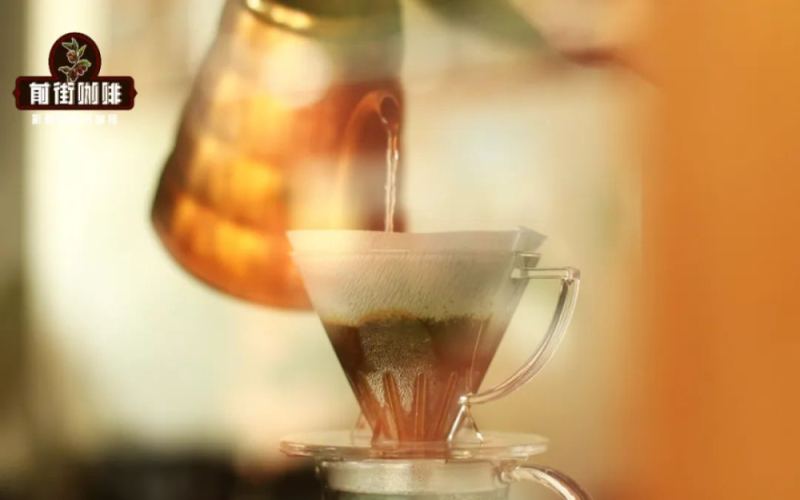
What Happens If You Brew Coffee with Boiling Water? What Is the Ideal Pour-Over Water Temperature, and Is 92°C a Hard Rule?
Water temperature is a key variable in controlling the pace of coffee extraction. Most brewing guides set the recommended range at 86–93°C, and very few people dare to use water below 80°C or above 95°C on coffee. So what happens if you boil water and brew with it directly? This time, Front Street Coffee selected a medium-light roast Colombia·Frontera Big Navel and a medium-dark roast Indonesia·Mandheling, using conventional temperature and boiling water for comparison, and compared concentration, aroma, and mouthfeel item by item. The article not only provides two sets of measured data, but also explains how temperature affects the release of sourness and bitterness, as well as the suitable water temperature ranges for light roasts and dark roasts respectively, helping you understand whether 92°C is really a hard standard that must be followed. [more…]
2024 Ethiopia TOH Green Bean Competition: A Full Analysis of the Champion Origins in the Natural, Washed, and Honey Processing Categories
Africa, as the core region of the coffee-growing belt, has nurtured many high-quality coffee-producing countries, among which Ethiopia is widely recognized as the birthplace of coffee. The African Fine Coffees Association (AFCA), established in 2000, launched the Taste of Harvest (TOH) competition, whose format is similar to that of the Cup of Excellence (COE) and is divided into national competitions and the Africa regional final. In 2024, the Ethiopia TOH competition was held in Addis Ababa, with a total of 75 companies and 212 Arabica coffee entries participating. This article will introduce in detail the origin backgrounds and processing details of the natural group champion Testi Trading Plc, the washed group champion Eseham Trading plc, and the honey process group champion Yihonal Trading plc, and will also include relevant recommendations from Front Street Coffee. [more…]
2019 TOH Ethiopia Natural Group Champion: A Detailed Analysis of Specialty Beans from the Adorsi Processing Station in the Aricha Region
The 2019 TOH (Taste of Harvest) Ethiopia Natural Group national champion was won by a Yirgacheffe submitted by the Adorsi processing plant, with a cupping score as high as 91.38 points. The processing plant is located in the Aricha production area, at an altitude of 1,950-2,100 meters. The combination of red volcanic soil and the ancient native Heirloom variety, together with hand-selected 17-18 mesh green beans and a precise anaerobic fermentation process, gives this coffee its outstanding cup performance. Front Street Coffee provides you with a detailed introduction to this champion bean's origin background, competition journey, and flavor characteristics, and shares its richly layered flavor profile of strawberry, berries, guava, brandy, and liqueur chocolate, as well as the changes in acidity and sweet aftertaste after the coffee cools. [more…]
Italian Coffee Culture | How is a standard espresso made in a coffee shop? What are the coffee powder-to-liquid ratio, extraction time, water temperature, and water pressure for a delicious espresso?
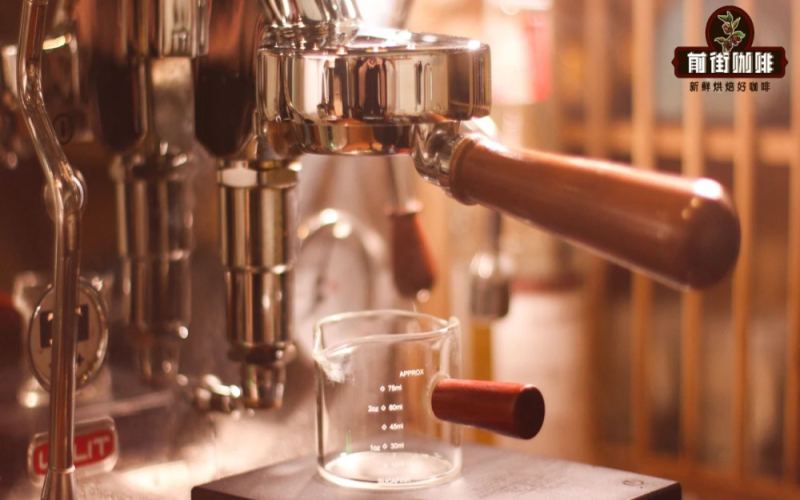
For more specialty coffee knowledge, please follow our WeChat official account: Front Street Coffee (FrontStreet Coffee). As an indispensable part of Italians' daily lives, every espresso tells a story of region, culture, and the history that drove rapid social development. The earliest [more…]